-
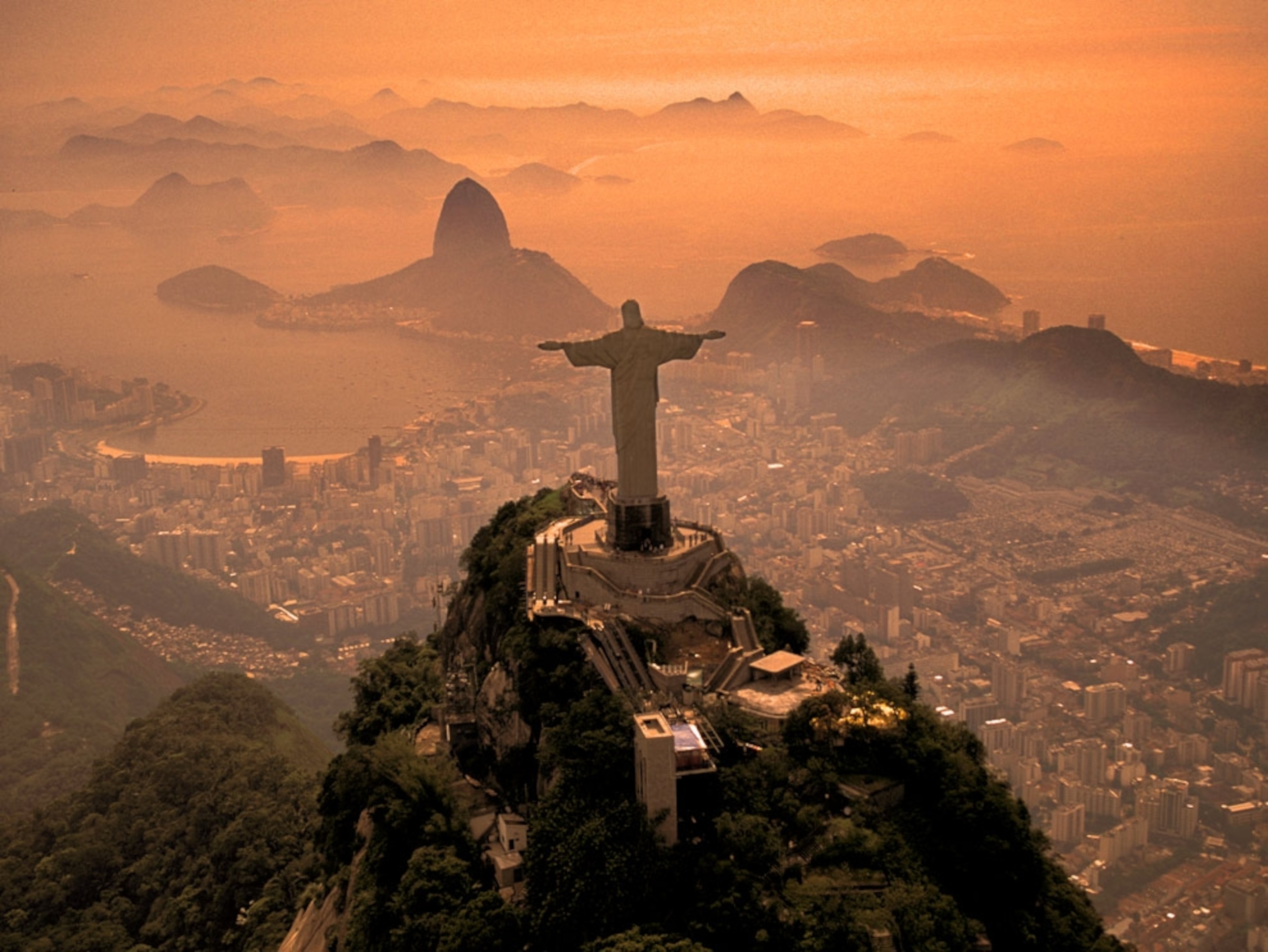
"Christ the Redeemer," Rio de Janeiro
Photograph by Christian Heeb
From atop Corcovado Mountain, "Cristo Redentor," or "Christ the Redeemer," watches over the city of Rio de Janeiro, sprawled against the backdrop of Sugarloaf Mountain and Guanabara Bay. Visitors can climb by taxi or cog railway to gain this unparalleled view of the city.
-
Carnaval Revelers, Rio de Janeiro
Photograph by Nelson Antoine/Fotoarena/LatinContent/Getty Images
A Carnaval parade in Rio de Janeiro includes fanciful floats and costumed performers. Many countries indulge in a riot of pleasures before the austere observance of Christian Lent—and Rio hosts one of the world’s biggest bacchanals.
-
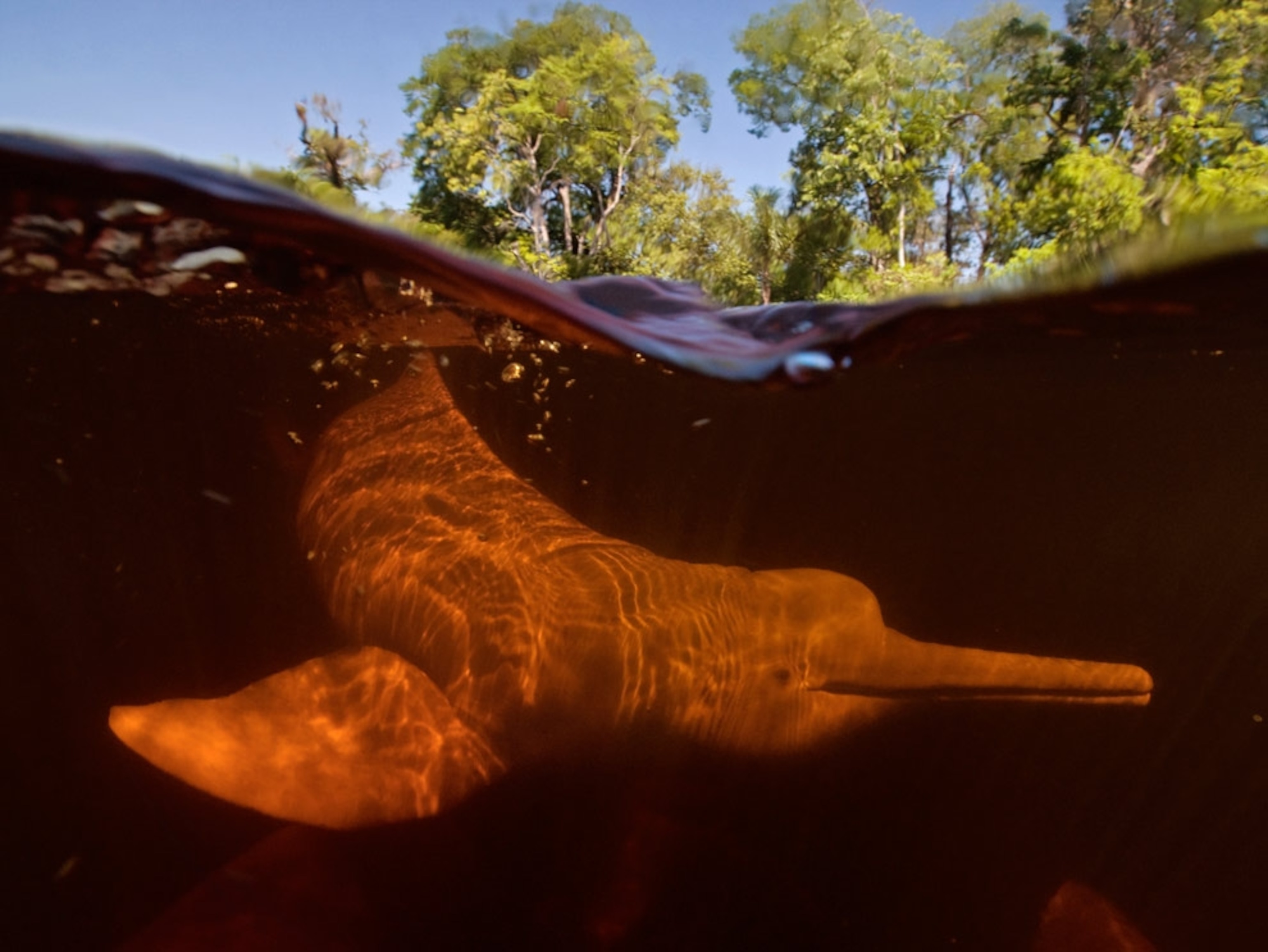
Amazon Dolphin
Photograph by Kevin Schafer
Called botos in Brazil, the freshwater dolphins of the Amazon appear to glow orange when navigating the river basin’s tea-colored brew of silt and rotting vegetation. Out of water they’re pale grey, with some marked in pink.
-
Iguazu Falls
Photograph by Sharmy Francis, My Shot
One of the world's greatest cataracts shatters the Iguazu River between Argentina and Brazil. Ancient lore has it that a deity planned to marry an aborigine woman, but when she fled with her lover in a canoe down the Iguazu, the angry god sliced the river and damned the lovers to an eternal fall.
-
Caimans in the Pantanal
Photograph by Joel Sartore
Crocodilian caimans are a ubiquitous presence in the Pantanal, a wetland that lies primarily in Brazil. Ten million caimans crowd Pantanal waters, so many that their numbers stayed healthy even when poachers claimed perhaps a million a year in the 1980s. The hides supplied the market for inexpensive crocodile-skin accessories.
-
Pantanal Cowhands
Photograph by Joel Sartore
Cowhands pause on mule and horseback during the flood season in the Pantanal, a wetland ecosystem in parts of Brazil, Bolivia, and Paraguay. Ranchers in the enormous landlocked river delta are increasingly taking in ecotourists to supplement their income from cattle.
-
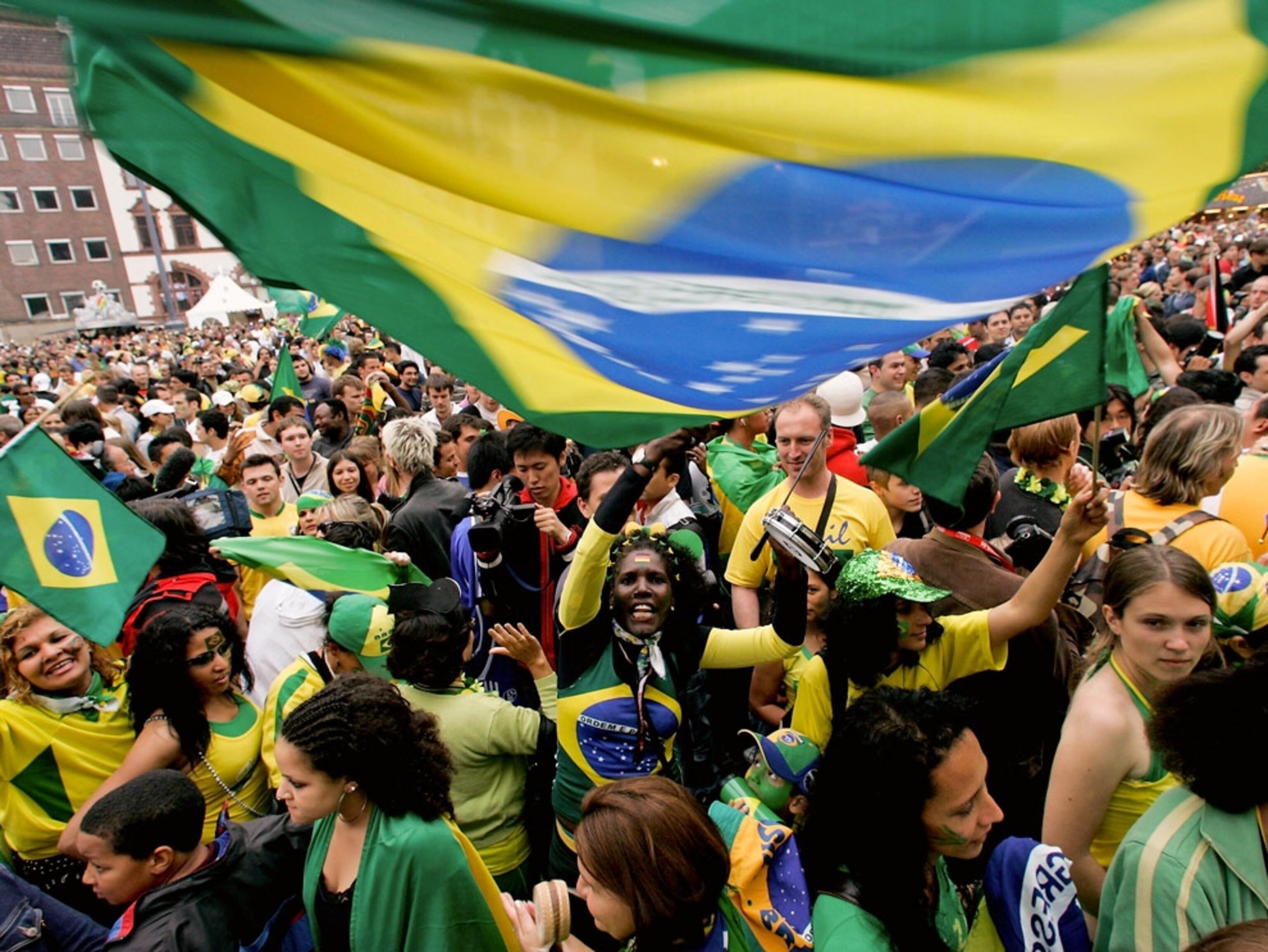
Soccer Fans
Photograph by Ralph Orlowski/Getty Images
Brazil soccer fans celebrate their team’s victory in a match with Ghana at the World Cup in Dortmund, Germany, in 2006. The nation formed its first official team in 1914 and now boasts what is arguably the most successful national soccer team in the world.
-
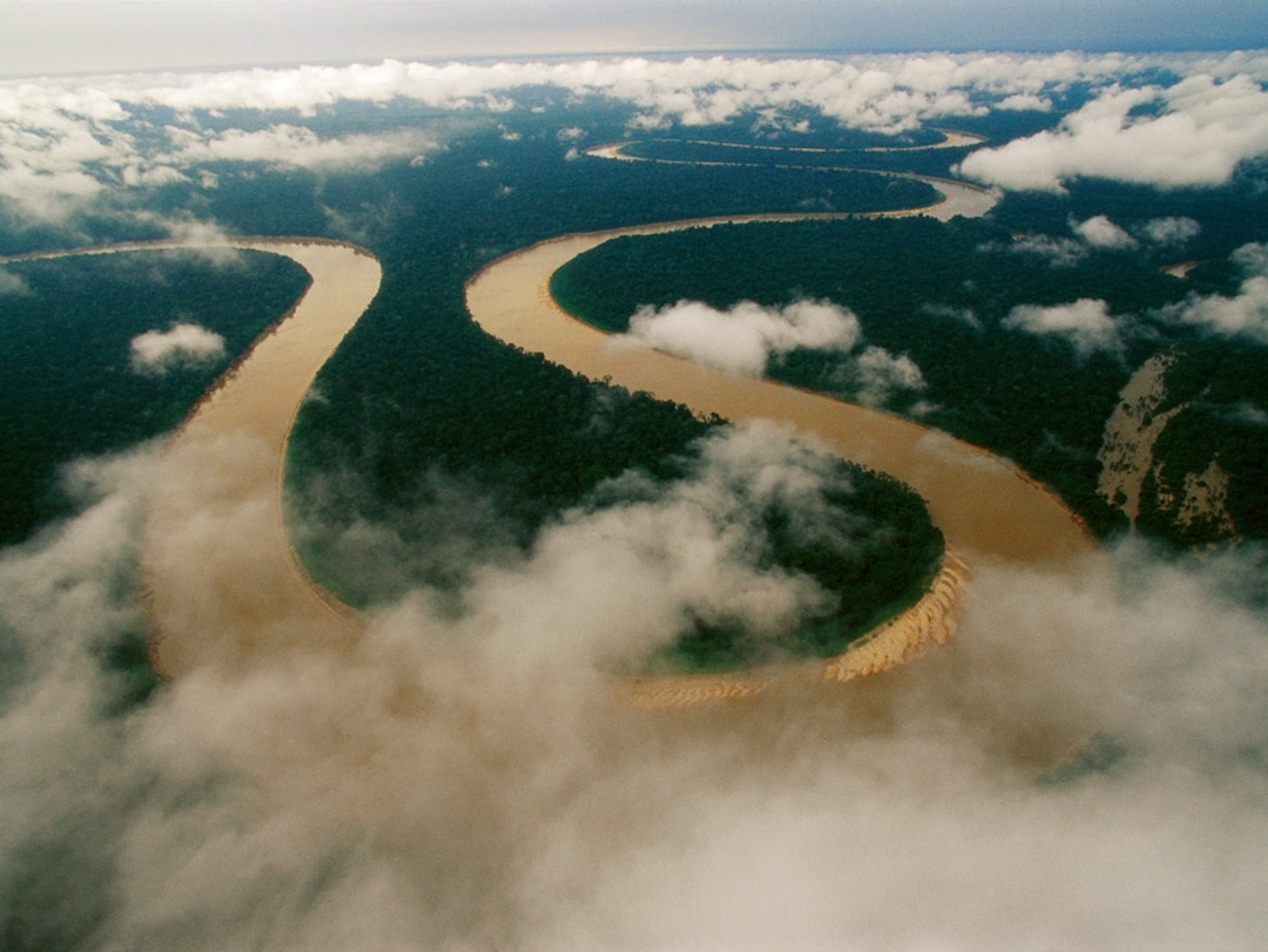
Itaquai River
Photograph by Nicolas Reynard
An aerial view of the Amazon Basin reveals the cursive meandering of the Itaquai River. The headwaters of the Itaquai and the adjacent Jutai River are situated in one of the most remote and uncharted places left on the planet, home to some of Brazil’s remaining pockets of isolated indigenous tribes.
-
Close-Up of a toucan
Photograph by F. Lukasseck
The toco toucan, a native of South America’s tropical forests, is one of the world’s most recognizable birds. Its oversize, orange-yellow bill is six to nine inches (15 to 22 centimeters) long, about a third of the bird’s entire length and useful as a feeding tool.
-
Pantanal Lagoons
Photograph by Joel Sartore
Verdant lagoons dot patches of elevated forest during the wet season in the Pantanal, one of Earth’s largest wetlands. Mammals such as jaguars and monkeys retreat to the forests until waters recede, feasting on fish and other aquatic life trapped in shrinking pools.
-
Surui Indians
Photograph by Michael Nichols
The indigenous Surui (or Paiter) Indians have lost much of their forest territory to clearing. But recent research has shown that reserves established for Indian peoples are providing significant Amazon forest protection. Indigenous groups make up less than 1 percent (700,000) of Brazil’s population, most in the Amazon region.
-
Sugarloaf Mountain
Photograph by Zoran Milich/Masterfile
Sugarloaf Mountain juts into the sky over a beach in Rio de Janeiro, a city known for its magnetic beach culture.
-
Copacabana Beach, Rio de Janeiro
Photograph by Sergio Tafner Jorge
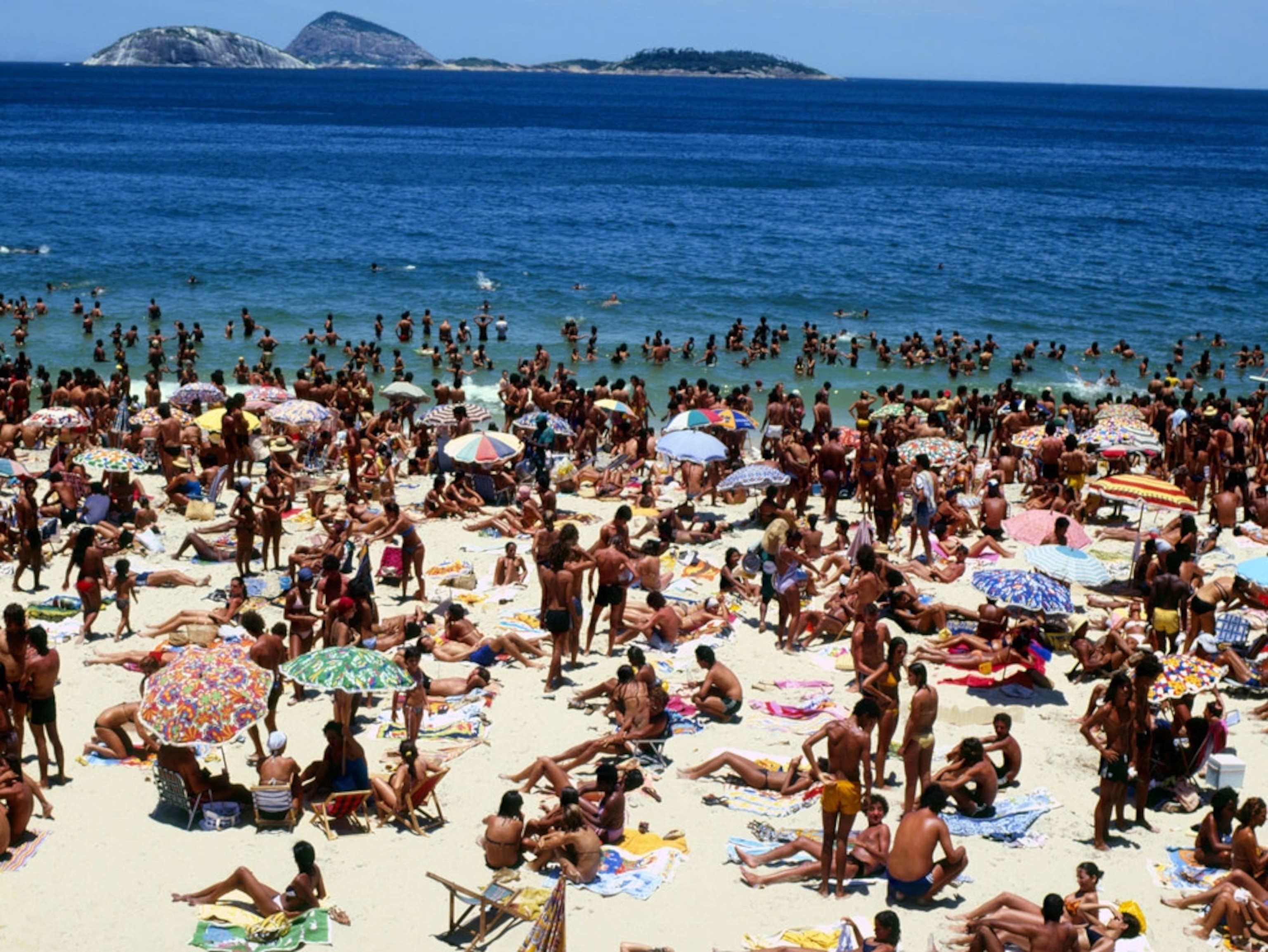
Families, swimmers, and sunbathers crowd Copacabana Beach in Rio de Janeiro. With its crescent of sand, hotels, restaurants, bars, and shops, Copacabana might well be the most famous beach in the world.
-
Sugarloaf Mountain Cable Cars
Photograph by Craig Hayman, My Shot
Cable cars ascend through low clouds to reach Pão de Açúcar (Sugarloaf), a true symbol of Rio. The landmark, which is actually two mountains, has been accessible via cable car since 1912.
-
São Paulo Nightclub
Photograph by Christian Tragni/Aurora Photos
Clubgoers are lit by bright strobes while dancing at a discotheque in São Paolo. Dancing and nightlife are popular in the nation of nearly 200 million. São Paulo, with some 10.9 million people, is Brazil's largest city—and one of the world's largest metropolises.
-
Dunes
Photograph by Francesc Carreras, My Shot
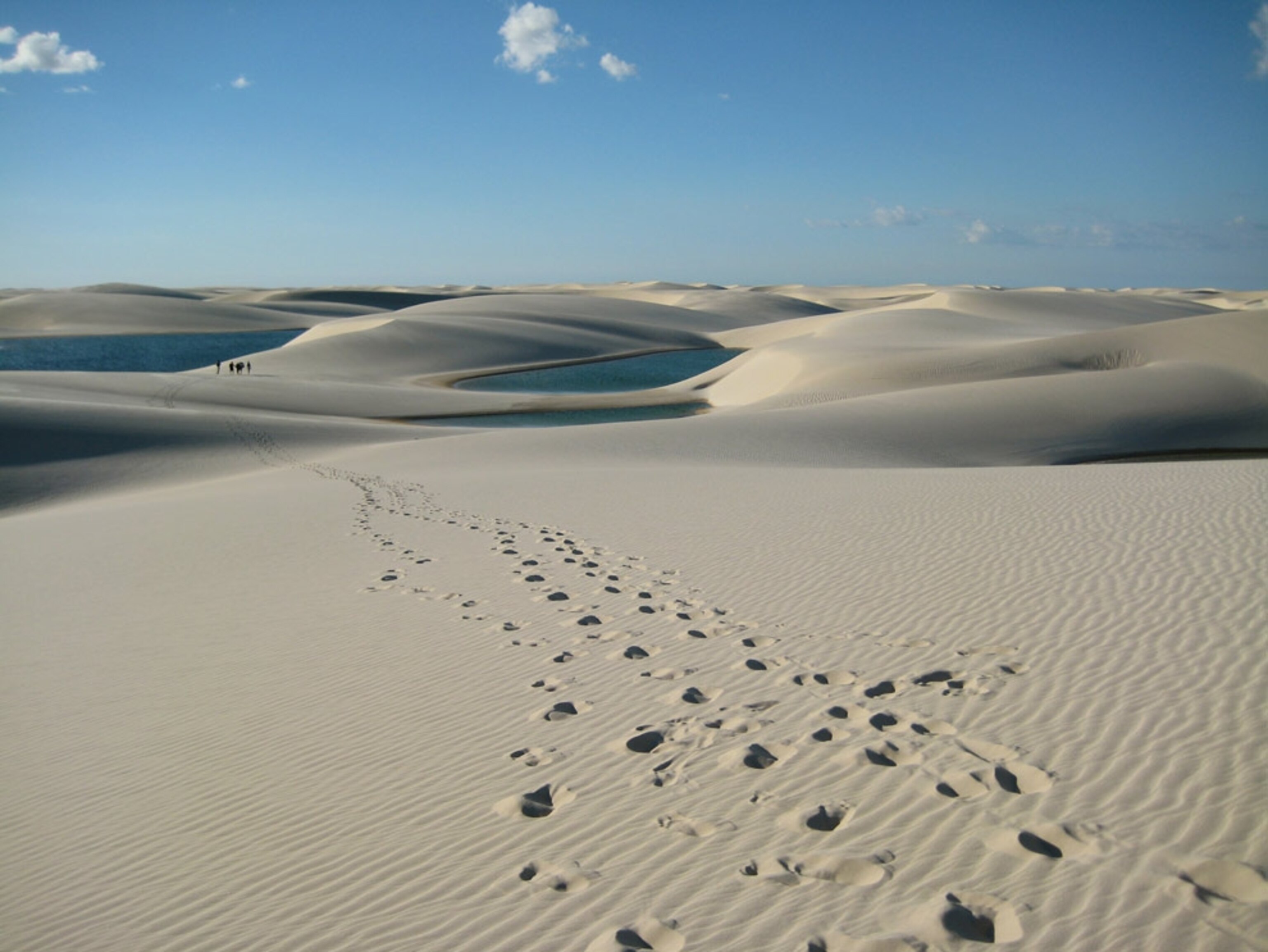
Rainwater-created pools provide oases between sand dunes in northeast Brazil. The region—subject to devastating droughts—is the second most populous in the country, extending from Maranhão in the north down to Bahia.
-
Formoso River
Photograph by Minden Pictures/Masterlife
Palm trees beside the Formoso River are silhouetted against the horizon in Brazil’s cerrado, a vast savannah ecosystem. Conservationists are concerned that the biologically diverse region is under threat from the country’s unregulated biofuels boom.
More Travel Photo Galleries
Shop National Geographic
Top Picks for Travel
- Enter Now! Traveler Photo Contest
- NEW! Best of the World Weekly
- Call for Nominations: Travelers of the Year
- How to Become a Nat Geo Photographer
- Top 10 Islands
- Don George's #TripLit Pick for June
- Download City Guides App
- Photos: Galicia, Spain
- Photo Gallery: World's Best Ecolodges
- Tips for Traveling Couples
Advertisement
Our Trips
2013 Traveler Photo Contest
-
Share Your Best Travel Photos
Enter to be featured in our weekly galleries and win a grand prize trip to the Galápagos.