-
Stonehenge
Photograph by Ken Geiger, National Geographic Staff
Stonehenge, on Salisbury Plain, is arguably England's greatest archaeological treasure. Though weathered and broken, its ruins are a window on a prehistoric world, guarding secrets after more than 4,500 years. Here, lights from the nearby town of Amesbury lend a lavender glow to the sky above the enigmatic monument.
(This photo is from "If the Stones Could Speak" in the June 2008 issue of National Geographic.)
-
Hadrian's Wall
Photograph by Rod Edwards/Photo Library
Named for the Roman emperor who commissioned it in A.D. 122, Hadrian's Wall stretches 73 miles (117 kilometers) across northern England from coast to coast. Its purpose: to deter the barbarians in what is now Scotland from their raids on Roman Britain. It was eventually breached in A.D. 367, and Roman rule in Britain ended about 40 years later.
-
Buckingham Palace, London
Photograph by Greg Peters, My Shot
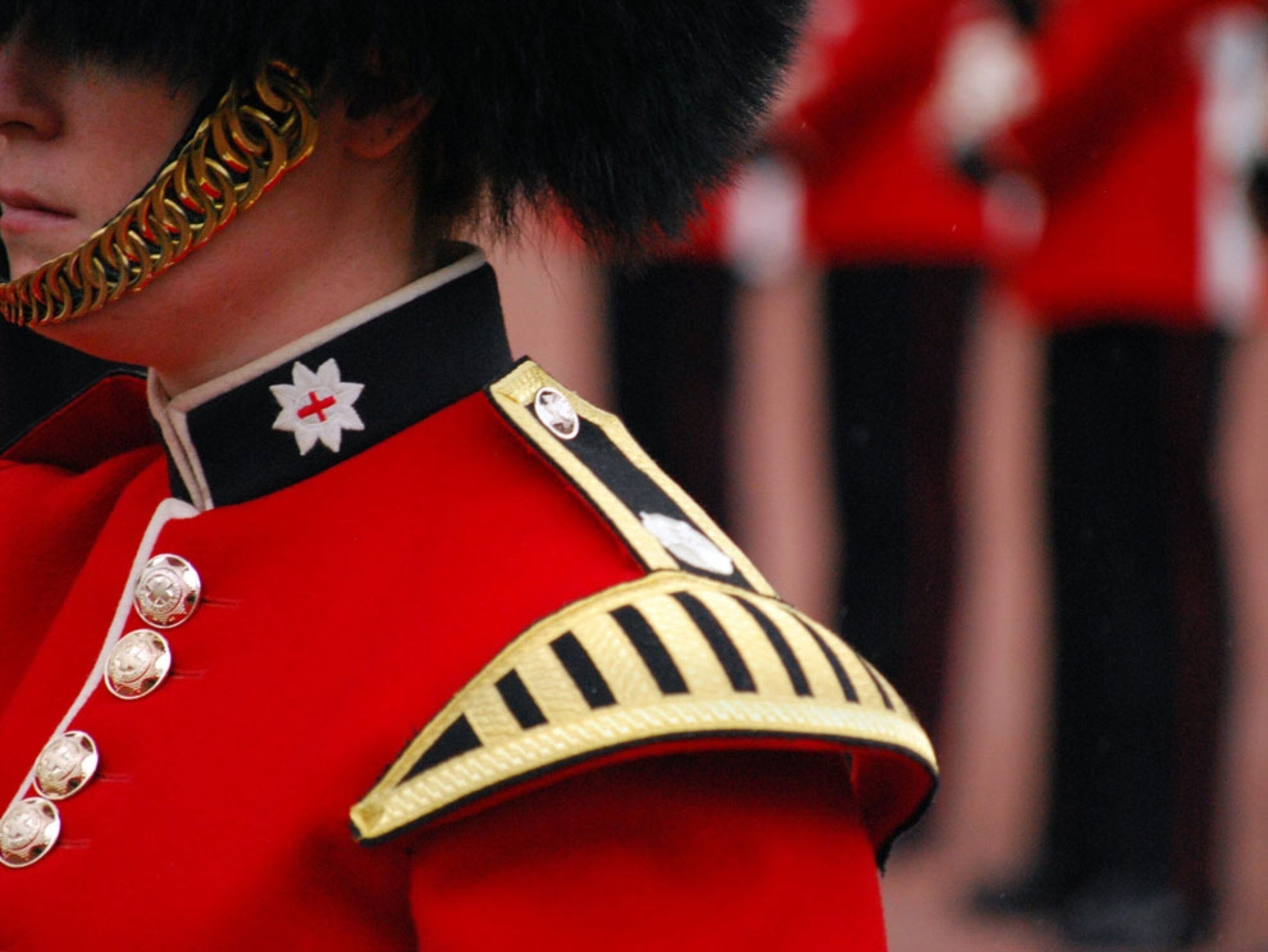
Seeing the Changing of the Guard at Buckingham Palace is an obligatory stop for tourists in London. The ceremony takes place daily from March 31 to July 31 and on alternate days the rest of the year. The Queen's Guard's iconic fuzzy hats, called "bearskins," can be up to 80 years old and are handed down from generation to generation.
-
Kew Gardens, London
Photograph by Jonathan Blair
London's Kew Gardens, formally called the Royal Botanic Gardens, Kew, began as a private garden at a royal estate in the 16th century. In 1759, after several ownership changes, Princess Augusta began to build the garden's exotic plant collection. It now holds about 33,000 types of living plants, millions of dried specimens, and a voluminous research library. Here, a gardener carries the massive pad of a Victoria amazonica lily.
-
British Museum, London
Photograph by Rick Wianecki, My Shot
World renowned for its focus on archaeology, London's British Museum started in 1753 from three private collections. This view from above shows the recently completed glass-and-steel canopy over the Great Court. In the middle is the famed circular Reading Room, where such literary luminaries as Karl Marx and Virginia Woolf once went to study and write.
-
Lake District
Photograph by Nicolas Pogrebniak, My Shot
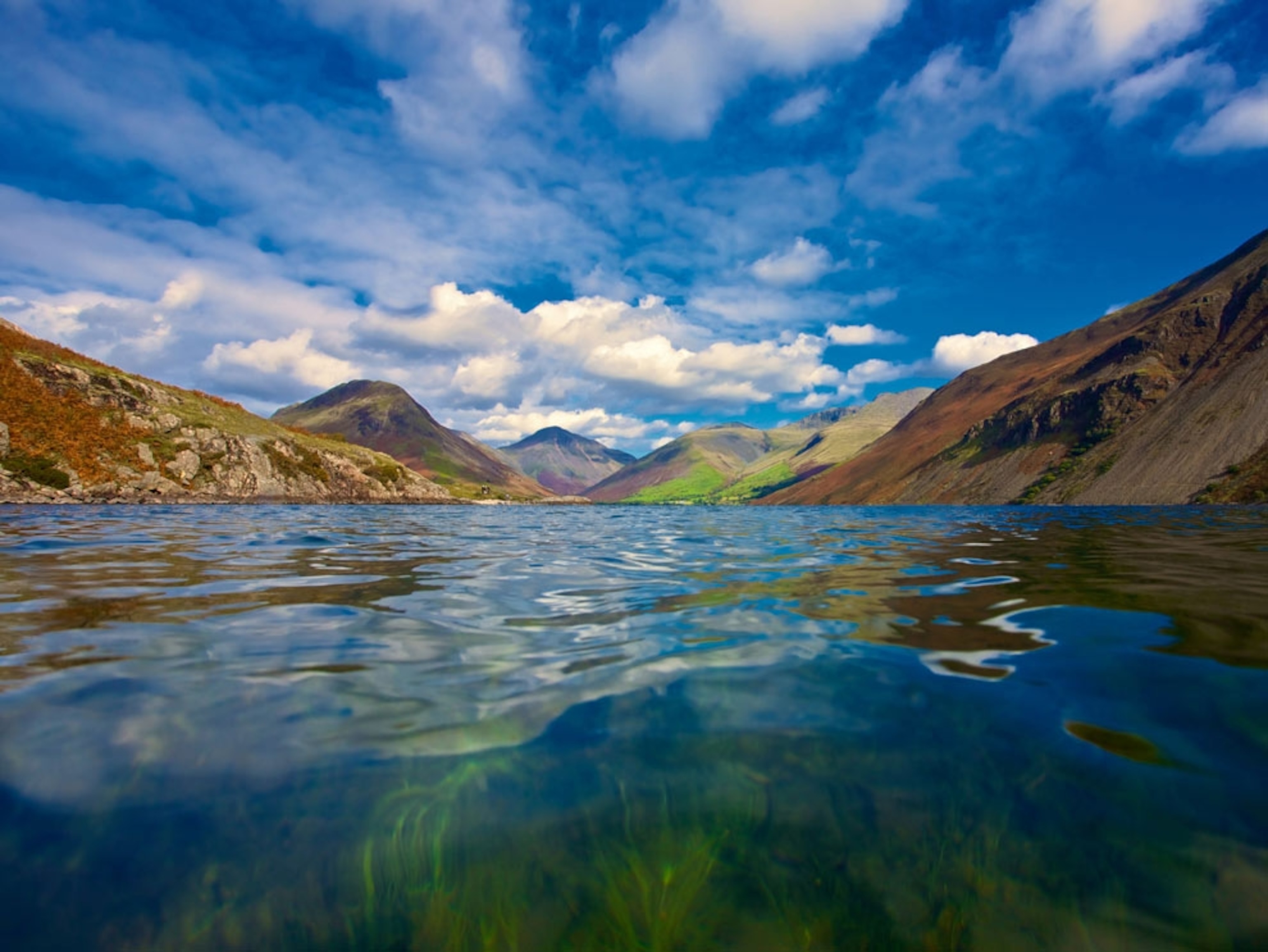
England's famed Lake District, in the northwestern county of Cumbria, boasts breathtaking scenery that has inspired some of the country's most famous poets and novelists. Blanketed by rolling mountains, the isolated region is home to an abundance of wildlife, some found only here and nowhere else.
-
London Cafe
Photograph by Jodi Cobb
Until recently, there was little reason to venture to London's Southwark neighborhood, a bleak urban jungle of warehouses and wharves. But a successful effort to transform the borough has shifted London's center of gravity south. Now, upscale restaurants and clubs, pricey real estate, and edgy architecture attract London's bon vivants across the Thames.
-
Globe Theatre, London
Photograph by Jodi Cobb
Shakespeare's Globe Theatre in Bankside, London, represents a well-studied best guess at what William Shakespeare's original 1599 Globe playhouse might have looked like. Finished in 1997, the Globe was constructed near the site of the original theater using techniques and materials common in the 1500s, including a reed-thatch roof. Here, actors perform Julius Caesar before a packed house.
-
Natural History Museum, London
Photograph by Bryanna Plog, My Shot
The cathedral-like Central Hall of London's Natural History Museum boasts a towering arched ceiling ribbed with exposed iron beams and adorned with hundreds of hand-painted tiles depicting plants and animals. Designed in the 1860s in the German Romanesque style by architect Alfred Waterhouse, the building first opened its doors in 1881.
-
Tower Bridge, London
Photograph by Tomasz Zakrzewski, My Shot
Among the most famous spans in the world, London's Tower Bridge is named not for its massive support structures but for its proximity to the Tower of London. Completed in 1894 after eight years of construction, it was the largest and most sophisticated bascule bridge (drawbridge) of its time. In 2008, work began on a three-year, $6.6 million restoration project, including a new coat of paint for the bridge's flashy blue suspension chain.
-
London Pub
Photograph by Paul Hogie, My Shot
Fashionable Mayfair in London's West End arose in 1677 as a posh residential area for wealthy landowners. Three centuries later, the district, which takes its name from the annual May Fair once held there, is no less exclusive, home to ritzy restaurants, hotels, shops, and clubs.
-
Dover Cliffs
Photograph by Dean Conger
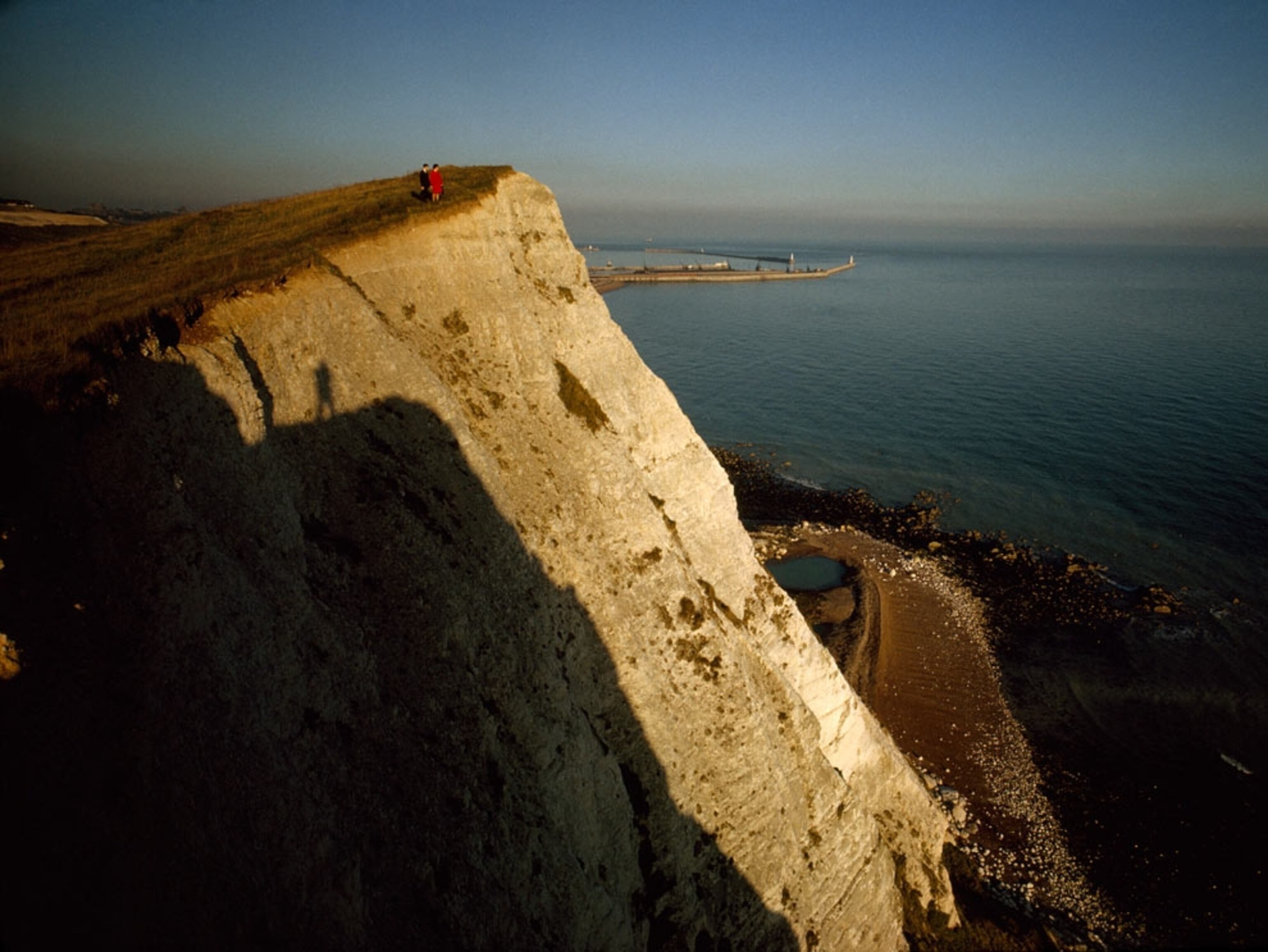
The White Cliffs of Dover on England's east coast are the towering remains of a calcite land bridge that once connected England with mainland Europe. Thousands of years of tidal erosion carved out what is now the English Channel, leaving sheer cliffs up to 300 feet (90 meters) high on the English and French coasts.
-
Windsor Castle, Berkshire
Photograph by Amina Malik, My Shot
The first tower of Windsor Castle, the sprawling royal residence and fortress in Berkshire, England, was completed nearly a thousand years ago. It is currently the oldest continually occupied castle in the world, and the largest, spreading over 13 acres (5 hectares) of land. This vantage shows a portion of the Queen's Jubilee Garden, built in 2002 to celebrate Queen Elizabeth's 50 years on the throne.
More Travel Photo Galleries
Shop National Geographic
Top Picks for Travel
- Enter Now! Traveler Photo Contest
- Best of the World Weekly
- Call for Nominations: Travelers of the Year
- How to Become a Nat Geo Photographer
- Top 10 Islands
- Don George's #TripLit Pick for June
- Download City Guides App
- Photos: Galicia, Spain
- Photo Gallery: World's Best Ecolodges
- Tips for Traveling Couples
Advertisement
Our Trips
2013 Traveler Photo Contest
-
Share Your Best Travel Photos
Enter to be featured in our weekly galleries and win a grand prize trip to the Galápagos.